
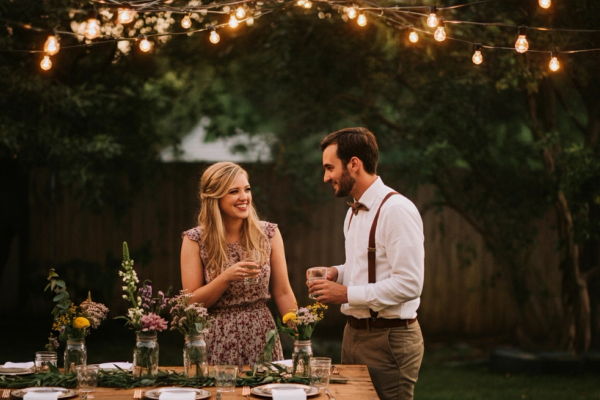
The average wedding in North America now costs upward of $30,000—a staggering sum that would make a substantial down payment on a home or eliminate student debt. Yet a growing number of young couples, typically between ages 22 and 28, are choosing to marry despite limited financial resources, and they're doing it their way. These Gen Z and younger millennial couples are challenging the notion that a meaningful wedding requires a massive budget, proving that love and commitment matter far more than elaborate centerpieces and open bars.
This shift represents more than just financial pragmatism—it's a fundamental reimagining of what weddings should be. Rather than starting married life buried in debt or delaying marriage until they can afford a "proper" wedding, young couples are embracing creativity, authenticity, and intimacy. The result? Celebrations that feel more personal, less stressful, and often more memorable than their six-figure counterparts.
The Mindset Shift: Redefining Wedding Success
The first step to planning a budget wedding isn't finding cheaper vendors—it's changing how you think about the day itself. Young couples leading this trend have recognized that the wedding industry has spent decades convincing us that love is best expressed through expensive purchases. They're rejecting that narrative entirely.
Instead of asking "What will impress our guests?" or "How will this look on Instagram?", budget-conscious couples are asking different questions: What truly matters to us? What will we remember in 20 years? How can we create a day that reflects our actual values rather than societal expectations?
This mindset shift brings unexpected emotional benefits. Couples report feeling less anxious during planning, more connected to the actual meaning of marriage, and more present on their wedding day. When you're not worried about whether the napkins match the bridesmaid dresses or if the ice sculpture is melting, you can actually enjoy the moment. You can have real conversations with guests, savor the ceremony, and focus on your partner—the person you're actually marrying.
Perhaps most importantly, starting married life without wedding debt is a profound gift to your future together. Financial stress is one of the leading causes of marital conflict. By choosing a budget wedding, you're choosing financial peace and flexibility in those crucial early years of marriage.
Venue Solutions That Won't Drain Your Savings
Venue costs typically consume 30-50% of a wedding budget, making this the single most impactful area to address. Fortunately, it's also where creativity can yield the most dramatic savings.
Backyard and Family Property Weddings
If you or a family member has a backyard, garden, or property with outdoor space, you've just saved thousands of dollars. Backyard weddings offer unmatched flexibility—you control the timeline, the vendors, and every detail. String lights, borrowed tables, and simple decorations can transform a familiar space into something magical. The intimacy of celebrating in a place filled with family memories adds emotional depth that no rented venue can match.
Public Parks and Gardens
Many municipalities offer permits for weddings in public parks for $50-$300. These spaces often feature natural beauty that requires minimal decoration—mature trees, flower gardens, and scenic views do the work for you. Check permit requirements early, as popular spots book up months in advance, especially during peak season.
Community Centers and Local Halls
Community centers, VFW halls, Grange halls, and similar spaces often rent for $200-$800 for the entire day. While they may lack the polish of traditional wedding venues, they provide climate control, kitchen facilities, and ample space. With thoughtful decoration, these blank canvases can be transformed into beautiful celebration spaces.
Strategic Timing Choices
When you get married matters almost as much as where. Off-season weddings (November through March, excluding holidays) can save 30-40% on venue and vendor costs. Winter weddings offer their own aesthetic appeal—think cozy candlelight, rich colors, and the possibility of snow for dramatic photos.
Weekday weddings offer similar savings. A Thursday or Friday wedding might feel unconventional, but venues and vendors often charge significantly less, and you'll have more availability. Yes, some guests may not be able to attend, but that naturally creates the intimate guest list that saves money anyway.
Finally, consider the time of day. Brunch or afternoon receptions cost substantially less than dinner events. A 2 PM ceremony followed by cake, punch, and light refreshments feels celebratory without the expense of a full meal. Alternatively, a morning ceremony with a brunch reception offers a fresh, cheerful vibe at a fraction of evening costs.
Creative Cost-Cutting Strategies
Once you've secured an affordable venue, dozens of smaller decisions will shape your budget. Here's where creativity and resourcefulness truly shine.
DIY Decorations with Character
Professional wedding decorations can cost thousands, but DIY alternatives often look better because they're more personal. Visit thrift stores for vintage vases, candleholders, and frames. Collect natural elements like branches, pinecones, or seasonal foliage. Borrow decorations from friends who've recently married—most people are happy to see their wedding items get a second life.
Create a cohesive look by choosing 2-3 colors and sticking with them. Simple can be stunning: white candles in mismatched vintage holders, greenery runners down tables, and string lights create an elegant atmosphere for minimal cost.
Digital Invitations and Wedding Websites
Paper invitations can cost $3-$8 per guest once you factor in printing, envelopes, and postage. Digital invitations through services like Paperless Post, Greenvelope, or even a well-designed email cost a fraction of that—often nothing at all. They're also more practical: guests can RSVP with a click, you can send updates easily, and you're not contributing to paper waste.
Pair digital invitations with a free wedding website (through The Knot, Zola, or Minted) where guests can find all the details, your registry, and travel information. This eliminates the need for separate detail cards and direction inserts.
Rethinking the Reception Meal
Food is typically the second-largest expense after the venue. Traditional catering runs $50-$150 per person, but alternatives abound. Food trucks offer fun, casual dining at $15-$25 per person. Potluck-style receptions, where family and friends contribute dishes, create a community feel while dramatically cutting costs—just ensure you have enough variety and quantity.
Consider a dessert reception with coffee, tea, and an array of cakes and sweets. Or host a cocktail-style reception with heavy appetizers rather than a sit-down meal. Guests will be satisfied, and you'll save thousands.
Wedding Attire on a Budget
You'll wear your wedding outfit for roughly 8-10 hours. Spending thousands on something you'll wear once doesn't make financial sense. Rent your wedding attire through services like Rent the Runway, Borrowing Magnolia, or local formalwear shops. Buy secondhand through sites like Still White, PreOwnedWeddingDresses.com, or local consignment shops. Consider non-traditional options: a beautiful white dress from a department store, a vintage suit, or even a family heirloom altered to fit.
Simplified Flowers and Alternatives
Professional wedding florals can cost $2,000-$5,000. Instead, buy flowers wholesale from a local flower market or grocery store and arrange them yourself (or recruit an artistic friend). Use more greenery and fewer flowers—eucalyptus, ferns, and ivy create lush arrangements at a fraction of the cost.
Alternatively, skip fresh flowers entirely. Dried flowers and grasses have become trendy and last forever. Potted plants or succulents can serve as both decorations and guest favors. Seasonal branches—flowering dogwood in spring, colorful leaves in fall, evergreen boughs in winter—provide dramatic impact for free.
Music Without the DJ Price Tag
Professional DJs charge $800-$2,500. Create a carefully curated playlist on Spotify or Apple Music instead, organized by ceremony, cocktail hour, dinner, and dancing. Rent quality speakers if needed. Ask a friend or family member to manage the playlist and make announcements. The result feels more personal and costs virtually nothing.
Smart Spending Priorities: Where to Invest and Where to Save
Budget weddings require strategic thinking about where your money will have the most impact. Not all wedding expenses are created equal.
Worth the Investment
Photography deserves a significant portion of your budget. Long after the flowers have wilted and the cake is eaten, photographs remain. You'll look at these images for decades, share them with children and grandchildren, and display them in your home. Even on a tight budget, allocate $800-$1,500 for a skilled photographer. These memories are irreplaceable.
Quality food for your guests also matters. You don't need filet mignon, but ensure there's enough food and that it's well-prepared. Hungry guests remember their discomfort, while satisfied guests remember the warmth and hospitality.
Finally, invest in a meaningful ceremony officiant—someone who will craft a ceremony that reflects your relationship and values. This might be a friend who gets ordained online (often free), a family member, or a professional officiant. The ceremony is the actual wedding; the reception is just a party. Make sure the ceremony feels significant.
Safe to Save On
Elaborate decorations rarely justify their cost. Guests spend more time talking to each other than examining centerpieces. Simple, cohesive decorations create atmosphere without breaking the bank.
Wedding favors often end up forgotten on tables or thrown away. If you want to give guests something, make it meaningful and inexpensive—homemade cookies, seed packets, or a donation to charity in guests' honor.
Designer wedding attire you'll wear once doesn't make financial sense. Beautiful options exist at every price point. Your guests will remember how happy you looked, not the label in your dress or suit.
Premium open bars can cost thousands. Offer beer, wine, and a signature cocktail instead of full liquor service. Or host a dry wedding—increasingly common and completely acceptable. Provide excellent non-alcoholic options like flavored waters, lemonade, and coffee, and no one will miss the premium vodka.
Working with Vendors Creatively
Young couples planning budget weddings have discovered that the traditional vendor marketplace isn't their only option. Creative approaches to finding talent can yield excellent results at fraction of typical costs.
Emerging Professionals Building Portfolios
Photographers just starting their wedding photography business often charge $500-$1,000 while they build their portfolios. Review their work carefully—many are talented professionals transitioning from other photography fields. They bring fresh perspectives and genuine enthusiasm.
Similarly, new makeup artists, hairstylists, and other beauty professionals may offer reduced rates for portfolio-building opportunities. Check Instagram and local Facebook groups to find emerging talent in your area.
Students and Local Talent
Contact local music schools or university music departments to find talented students or recent graduates who perform at weddings. A string quartet of music students costs far less than professional musicians and often sounds just as beautiful.
Culinary schools sometimes offer catering services as part of their training programs, providing restaurant-quality food at reduced prices. Local bands looking for exposure may play for less than established wedding bands.
Family Talents as Gifts
Many families include talented bakers, florists, musicians, or crafters who would be honored to contribute their skills as a wedding gift. Aunt Maria's legendary baking could provide your dessert table. Your cousin who does calligraphy might create your signage. Your friend who DJs as a hobby might run your playlist.
Be thoughtful about these requests—ensure people genuinely want to help rather than feeling obligated, and don't ask them to work so much they can't enjoy the celebration. But when offered sincerely, these contributions create meaningful connections and significant savings.
Bartering with Other Young Professionals
If you have professional skills—graphic design, web development, marketing, accounting—consider bartering with other young professionals. A photographer might trade services with a graphic designer who needs a new website. A baker might exchange a wedding cake for bookkeeping services. These arrangements work best when both parties clearly define expectations and value the exchange equally.
The Beauty of Intimate Celebrations
Perhaps the most powerful budget strategy is also the most meaningful: keep your guest list small. Intimate weddings of 30-50 people offer benefits that extend far beyond cost savings.
With fewer guests, you can actually spend time with everyone who attends. You're not rushing through a receiving line or trying to visit 20 tables during dinner. You can have real conversations, share meaningful moments, and feel genuinely connected to your celebration.
Smaller weddings reduce stress dramatically. Less coordination, fewer logistics, fewer opinions to manage, and fewer things that can go wrong. Many couples report that their intimate weddings felt relaxed and joyful rather than overwhelming and exhausting.
The financial impact is substantial. Every aspect of your wedding—food, drinks, favors, invitations, rentals—scales with guest count. Cutting your guest list in half can reduce your total budget by 40-50%.
Most importantly, intimate weddings feel more like the gatherings you actually enjoy—dinner parties with close friends, family celebrations where everyone knows each other, moments of genuine connection rather than obligatory socializing. Your wedding becomes less like a production and more like a meaningful life event shared with the people who matter most.
Starting Your Marriage on Solid Ground
The wedding industry has convinced generations that love requires expensive demonstrations. Young couples today are proving otherwise. They're showing that the most meaningful weddings reflect the couple's actual values, bring loved ones together in authentic ways, and prioritize the marriage over the wedding.
A budget wedding isn't a compromise or a sacrifice—it's a choice to invest in your future rather than a single day. It's choosing financial freedom over keeping up with expectations. It's recognizing that the strength of your marriage has nothing to do with how much you spent on the wedding.
The couples who embrace this approach often report that their weddings felt more personal, more meaningful, and more true to who they are than any expensive production could have been. They started their marriages without debt, without regret, and with the confidence that they can build a life together based on their own values rather than external pressures.
Your wedding day will be beautiful not because of how much you spent, but because it represents the beginning of your life together. The flowers will fade, the cake will be eaten, and the decorations will be packed away. What remains is your marriage—and that's worth celebrating in whatever way feels right to you, regardless of the price tag.